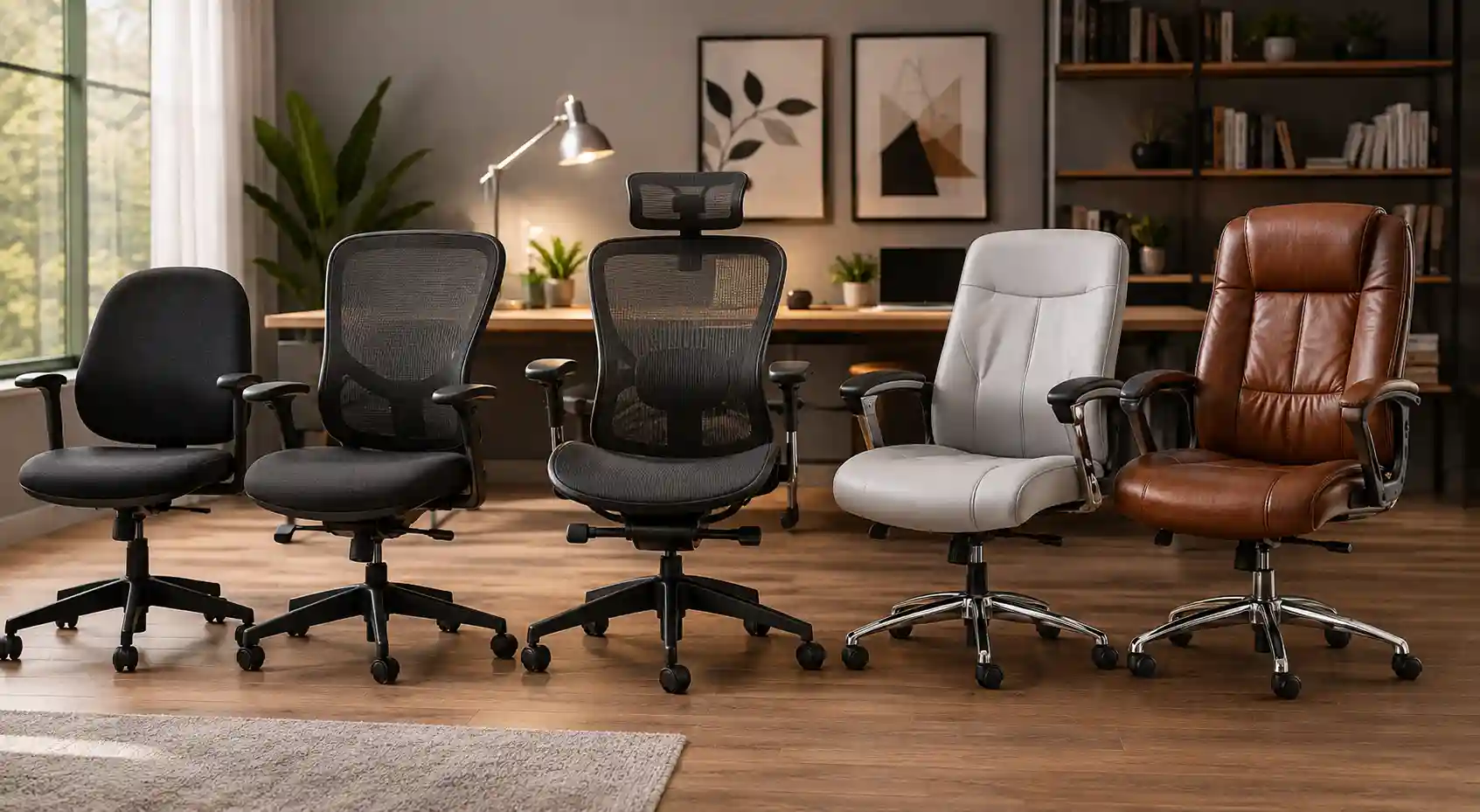
Buying an office chair sounds simple until you start shopping. Some chairs cost less than $70, while others sell for more than $1,500. With so many options available, it’s easy to wonder whether you should save money or invest in a premium chair.
Many people either buy the cheapest chair they can find or spend far more than they actually need. Both mistakes can lead to disappointment. A low-quality chair may become uncomfortable within a few months, while an expensive chair may include features you’ll never use.
The right office chair isn’t just another piece of furniture. It affects your posture, comfort, productivity, and even your long-term health if you spend several hours sitting every day.
This office chair price guide will help you understand what different price ranges offer, how much to spend based on your needs, and which features are truly worth paying for. By the end, you’ll know exactly how to choose the right chair without wasting your money.
Quick Answer
| Budget Range | What You Get | Best For |
|---|---|---|
| Under $100 | Basic office chairs with minimal adjustments | Occasional use, students |
| $100–$200 | Better comfort, basic ergonomics, mesh options | Home office, remote workers |
| $200–$400 | Strong ergonomics, improved durability, multiple adjustments | Daily office work |
| $400–$700 | Premium ergonomic features and long warranties | Professionals and long sitting hours |
| $700+ | Luxury ergonomic chairs built for years of use | Executives and heavy daily users |
Quick recommendation:
- Occasional users: $100–$150
- Home office users: $150–$300
- Professionals: $300–$600
- Heavy daily users: $500+
Why Office Chair Prices Vary
Not every office chair is built the same. Several factors influence the final price.
Materials
Higher-quality materials usually last longer.
Examples include:
- Breathable mesh
- High-density foam
- Aluminum frames
- Durable nylon bases
- Genuine leather
Cheaper chairs often use thinner foam, plastic parts, and lower-quality fabric.
Ergonomic Features
The biggest price difference usually comes from ergonomics.
Premium chairs may include:
- Adjustable lumbar support
- Seat depth adjustment
- Adjustable seat tilt
- 3D or 4D armrests
- Headrests
- Synchronized recline
These features improve comfort during long work sessions.
Brand Reputation
Well-known office furniture brands often charge more because of their quality control, customer service, and proven durability.
While you’re partly paying for the brand name, you’re also paying for years of engineering and testing.
Build Quality
Better chairs use stronger frames, smoother mechanisms, and more durable components that can handle daily use for many years.
Warranty
A chair backed by a 10 to 12-year warranty usually costs more than one with only a one-year warranty.
Long warranties often reflect better construction.
Certifications
Premium ergonomic chairs may carry certifications that verify safety, durability, or low chemical emissions. These certifications increase manufacturing costs but also provide extra confidence in the product.
Adjustability
More adjustment options allow the chair to fit different body types, making it comfortable for longer periods.
Office Chair Price Breakdown
Under $100
Budget office chairs are attractive because they’re inexpensive, but they’re usually designed for light use.
Pros
- Lowest price
- Easy to assemble
- Good for occasional sitting
- Suitable for temporary workspaces
Cons
- Limited adjustments
- Thin cushions
- Weak lumbar support
- Short lifespan
Who Should Buy
- Students
- Temporary home offices
- Guest rooms
- Light computer use
If you only sit for one or two hours each day, this price range may be enough.
$100–$200
This is where many shoppers find the best value.
An affordable ergonomic office chair in this range often includes mesh backs, adjustable height, tilt functions, and basic lumbar support.
Pros
- Excellent value
- Better comfort
- Improved durability
- Suitable for daily use
Cons
- Limited advanced adjustments
- Average warranty
- Mid-level materials
Best Value for Money
For most home office users, this is the sweet spot.
You don’t pay premium prices but still receive the ergonomic features needed for healthy sitting.
$200–$400
This range is where office chairs begin to feel noticeably better.
Pros
- Better lumbar support
- Stronger construction
- More adjustment options
- Higher-quality materials
- Better warranties
Cons
- Costs more upfront
- Premium features may still be limited
Best for Professionals
If you work from home every day or spend eight hours at a desk, this price range provides an excellent balance between price and performance.
$400–$700
Premium ergonomic chairs become available in this category.
Pros
- Outstanding comfort
- Excellent posture support
- High-quality mesh and foam
- Smooth adjustments
- Long warranties
Cons
- Higher initial investment
Premium Ergonomic Features
Expect features such as:
- Fully adjustable lumbar support
- Seat depth adjustment
- 4D armrests
- Adjustable headrest
- Premium recline mechanism
- Heavy-duty frame
$700+
Luxury office chairs represent the highest end of the market.
Who Actually Needs Them?
These chairs are ideal for:
- Executives
- Designers
- Programmers
- Professionals sitting 8–12 hours daily
- Users with long-term ergonomic needs
While they offer exceptional comfort and durability, they aren’t necessary for everyone.
How Much Should You Spend Based on Your Needs?
Students
Recommended budget:
$100–$150
Students usually don’t need advanced ergonomic adjustments unless they spend many hours studying.
Remote Workers
Recommended budget:
$150–$300
Comfort becomes much more important if you’re working from home every day.
Home Office Users
Recommended budget:
$150–$250
This range offers excellent value for everyday use.
Professionals
Recommended budget:
$300–$600
If your chair is your workstation for eight hours a day, investing more usually pays off.
Gamers
Recommended budget:
$200–$400
Many gamers prefer ergonomic office chairs over flashy gaming chairs because they often provide better long-term support.
People with Back Pain
Recommended budget:
$300–$700
Proper lumbar support and adjustability can make a noticeable difference in comfort.
Is an Expensive Office Chair Worth It?
Sometimes, yes.
The answer depends on how often you use it.
Productivity
Comfortable seating reduces distractions and helps maintain focus during long work sessions.
Comfort
Premium chairs distribute body weight more evenly and reduce pressure points.
Health
Proper ergonomic support encourages healthier posture and may help reduce strain on the neck, shoulders, and lower back.
Durability
A quality chair can last 10 years or longer with regular use, while a budget chair may need replacing after only two or three years.
Cost Per Year
A $600 chair lasting 12 years costs about $50 per year.
A $150 chair replaced every three years costs roughly the same over time while offering less comfort.
Long-Term Value
Looking beyond the purchase price often shows that a better chair can be the smarter investment.
Signs You’re Buying a Chair That’s Too Cheap
Watch for these warning signs:
- Poor lumbar support
- Thin seat cushion
- Limited adjustments
- Cheap plastic wheels
- Weak frame
- Short warranty
- Low weight capacity
- Wobbly construction
If several of these apply, the chair may not provide lasting comfort.
Features Worth Paying Extra For
Some upgrades genuinely improve your sitting experience.
Adjustable Lumbar Support
Supports your lower back throughout the day.
Seat Depth Adjustment
Allows taller and shorter users to find proper leg support.
Adjustable Armrests
Help reduce shoulder and wrist strain.
Headrest
Useful for reclining or extended sitting sessions.
Breathable Mesh
Improves airflow and helps keep you cool.
High-Density Foam
Maintains comfort much longer than low-density cushions.
Strong Frame
A durable metal or reinforced frame increases the chair’s lifespan.
Long Warranty
A longer warranty often reflects higher build quality.
Features You Don’t Need to Overpay For
Not every premium feature is worth the extra money.
Examples include:
- Luxury branding
- Decorative stitching
- Premium leather if you prefer cooler seating
- RGB lighting on gaming chairs
- Built-in speakers
- Cup holders
- Unused accessories
Focus on comfort instead of flashy extras.
Buying Guide
Before purchasing an office chair, consider these factors.
Budget Planning
Decide how much you’re willing to spend before shopping.
Weight Capacity
Always check the chair’s maximum supported weight.
Daily Sitting Hours
The longer you sit, the more valuable ergonomic features become.
Room Temperature
Mesh chairs perform better in warmer rooms, while leather may feel warmer over time.
Ergonomic Adjustments
Look for adjustable height, lumbar support, recline, and armrests.
Warranty
Choose longer warranties whenever possible.
Return Policy
A generous return window allows you to test comfort in your own workspace.
Common Mistakes Buyers Make
Avoid these common errors:
- Buying the cheapest chair available
- Ignoring ergonomic features
- Choosing appearance over comfort
- Forgetting to measure desk height
- Not checking chair dimensions
- Ignoring weight limits
- Overlooking the warranty
- Skipping customer reviews
A little research before buying can prevent expensive regrets later.
If you spend long hours sitting, maintaining proper posture is essential. According to the National Institute for Occupational Safety and Health (NIOSH) , an ergonomic workstation can help reduce physical strain and improve comfort.
Frequently Asked Questions
How much should I spend on an office chair?
Most people should budget between $150 and $300 for a comfortable, durable office chair suitable for daily use.
Is a $100 office chair good enough?
Yes, if you only sit occasionally. For full-time work, spending a little more usually provides much better comfort and durability.
Are expensive office chairs worth it?
They can be worth the investment for people who work long hours at a desk because they often offer better ergonomics, durability, and warranties.
What’s the best budget for working from home?
A budget of $150–$300 offers the best balance of comfort, features, and value for most home office setups.
How long should an office chair last?
A quality office chair typically lasts between 7 and 12 years, while budget models may only last a few years with daily use.
Can a cheap chair cause back pain?
A poorly designed chair with inadequate support may contribute to discomfort or poor posture during long sitting sessions.
Should I buy mesh or leather?
Mesh is usually better for airflow and warmer climates, while leather offers a more premium appearance and softer feel.
Is a warranty important?
Yes. A longer warranty often indicates better build quality and provides peace of mind if something goes wrong.
Final Verdict
So, how much should an office chair cost?
The answer depends on how often you use it and what level of comfort you need.
- Budget buyers: Aim for $100–$150 if you only need a chair for occasional use.
- Home office users: A budget of $150–$300 offers the best value and enough ergonomic support for most people.
- Professionals: Spending $300–$600 is a smart investment if you work at a desk every day.
- Heavy daily users: If you spend eight or more hours sitting, a $500+ premium ergonomic chair can provide better comfort, durability, and long-term value.
Instead of buying the cheapest chair or the most expensive one, focus on finding the model that matches your work habits, body type, and daily sitting time. A well-chosen chair is an investment in your comfort, productivity, and overall well-being.