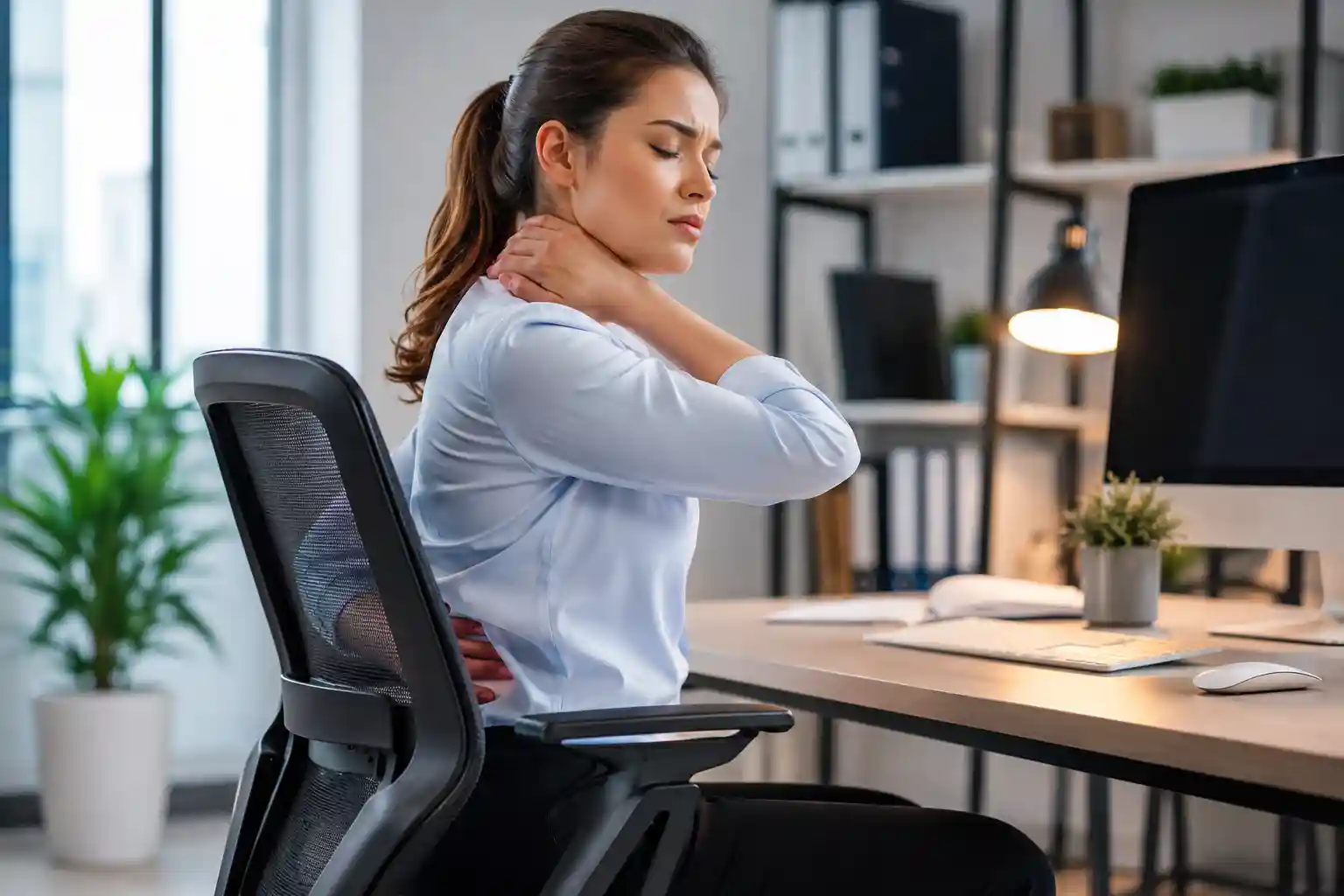
Sitting at a desk for several hours can become especially uncomfortable when you are already dealing with neck, shoulder, back, or radiating discomfort. A chair that feels fine for 30 minutes may not feel nearly as comfortable after a full workday.
That is why adjustability matters when choosing the best office chair for pinched nerve-related discomfort. A well-designed ergonomic chair cannot diagnose, cure, or treat a pinched nerve, but the right combination of seat height, lumbar support, arm support, recline, and workstation positioning may make sitting more comfortable for some people.
Everyone’s body and symptoms are different, so there is no single chair that works for everyone. If discomfort is persistent, severe, worsening, or accompanied by concerning symptoms, speak with an appropriate healthcare professional rather than relying on a chair alone.
Affiliate Disclosure: This article may contain affiliate links. If you purchase through a qualifying link, we may earn a commission at no additional cost to you.
Quick Comparison: Best Office Chairs for Pinched-Nerve-Related Discomfort
| Office Chair | Best For | Lumbar Support | Adjustability | Breathability | Price Category | Check Price |
|---|---|---|---|---|---|---|
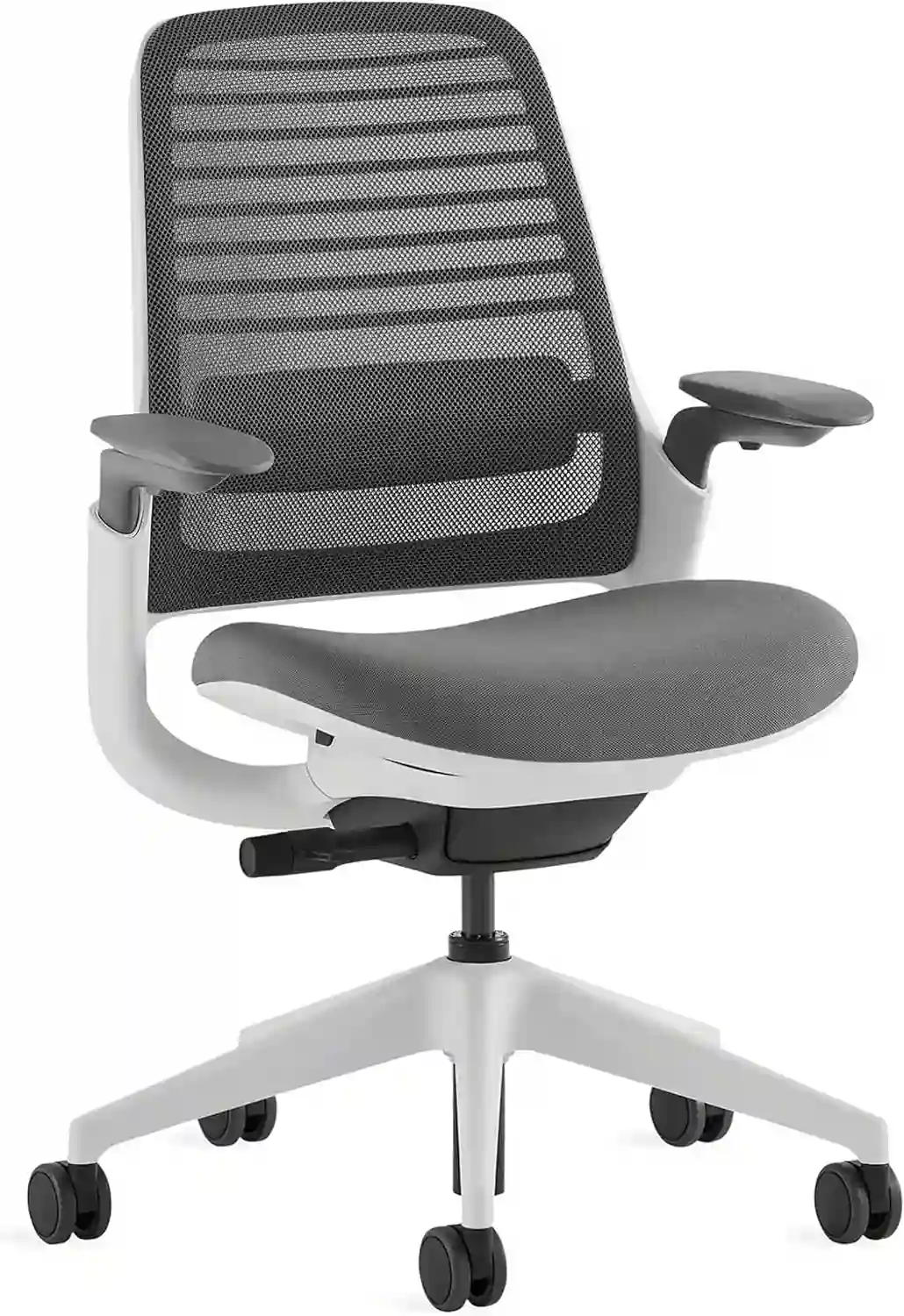
Steelcase Series 1
Best Overall
|
Overall ergonomic adjustability | Adjustable | Excellent | Good | Mid-Range | Check Current Price |
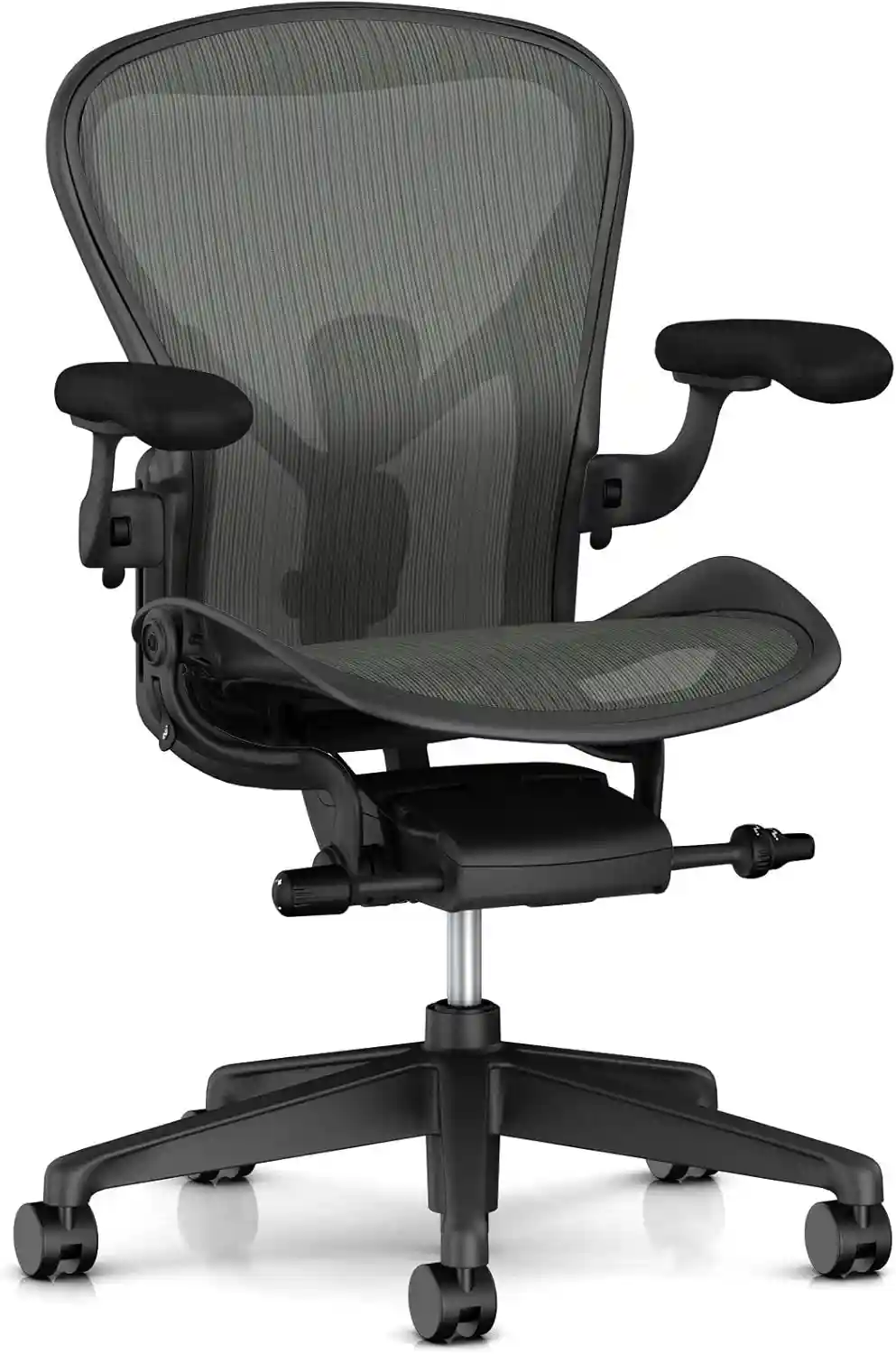
Herman Miller Aeron
Best Premium
|
Premium ergonomic seating | Adjustable options | Excellent | Excellent | Premium | Check Availability |
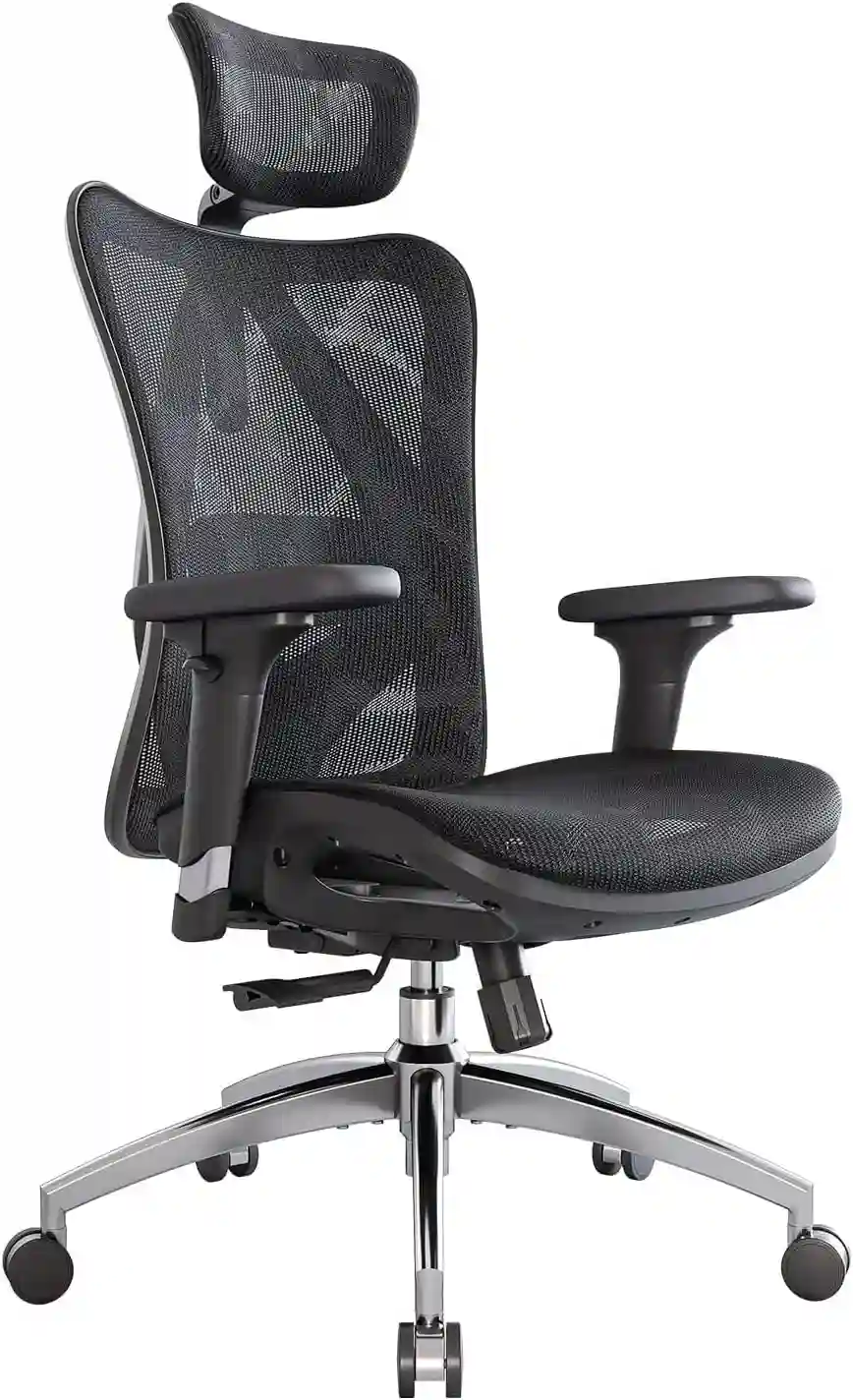
SIHOO M57
Best Value
|
Budget-conscious users | Adjustable | Excellent | Excellent | Mid-Range | Check Current Price |
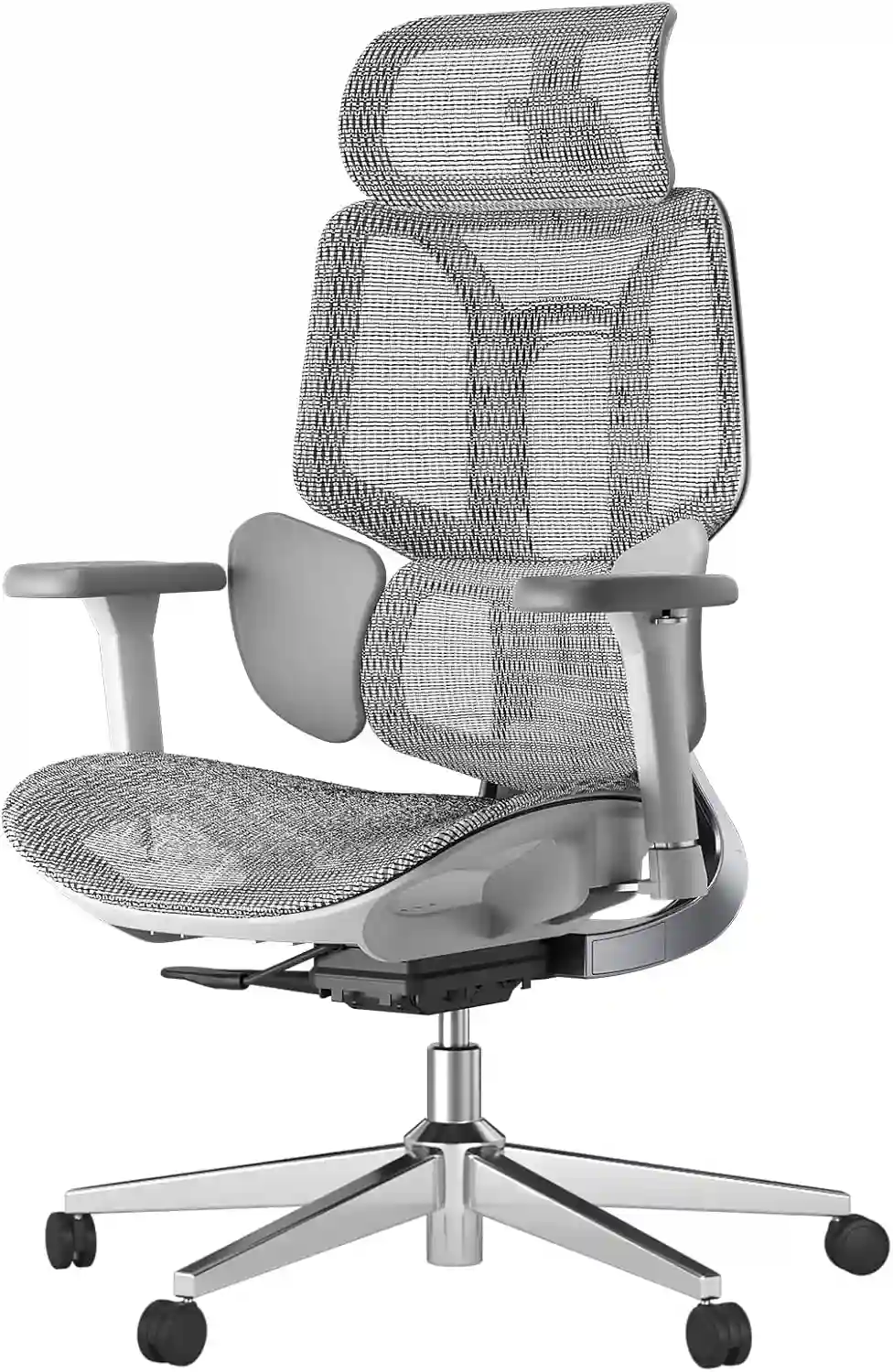
HBADA E3 Air
Most Adjustable
|
Extensive adjustment options | Adjustable | Excellent | Excellent | Mid-Range | Check Current Price |
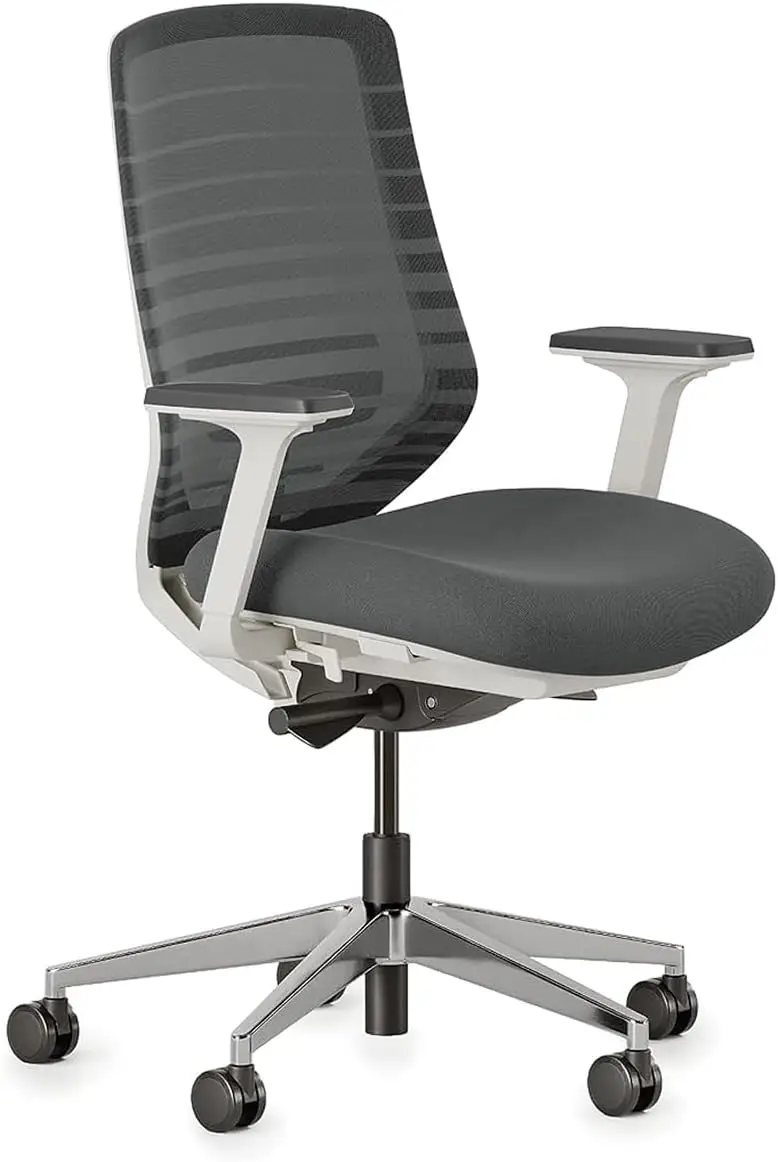
Branch Ergonomic Chair
Best for Home Office
|
Work-from-home users | Height Adjustable | Excellent | Excellent | Mid-Range | Check Current Price |
Note: Prices, configurations, availability, and product specifications can change. Check the retailer’s current product page before purchasing. An ergonomic office chair cannot treat or cure a pinched nerve. Choose a chair based on your individual comfort, body size, adjustability needs, and workstation setup.
Interested in the Steelcase Series 1?
Check the latest availability, configuration options, and customer pricing on Amazon.
Check Current PriceSpecifications and configurations can vary by model and configuration. For example, Steelcase Series 1 offers adjustable lumbar support, adjustable arms, seat-depth adjustment and recline controls, while the Aeron is offered in three sizes with several back-support and arm options.
What Should You Look for in an Office Chair for a Pinched Nerve?
The best office chair for nerve-related discomfort is not necessarily the softest or most expensive model. The most important factor is whether you can adjust the chair to fit your body and workstation.
Adjustable Lumbar Support
An office chair with lumbar support can provide a useful contact point for the lower back. Adjustable lumbar support is particularly useful because people have different torso lengths and sitting preferences.
The goal is not to push aggressively into your lower back. Instead, adjust the support so it feels comfortable and works with your normal seated posture.
Steelcase Series 1, for example, offers height-adjustable lumbar support, while the Herman Miller Aeron can be configured with adjustable lumbar or PostureFit SL support.
Seat Height
Your feet should be comfortably supported by the floor or an appropriate footrest. Adjust the chair so your knees and hips remain in a comfortable position without forcing you to perch on the edge of the seat.
A chair that is too high may leave your feet unsupported, while one that is too low can alter your working position.
Seat Depth
Seat depth is often overlooked.
If the seat is too deep, you may move forward to reach your desk, leaving your back unsupported. If it is too short, your thighs may not receive enough support.
A chair with adjustable seat depth gives you more flexibility to find a comfortable position. Steelcase Series 1 and Branch’s Ergonomic Chair both offer seat-depth adjustment.
Adjustable Armrests
Adjustable armrests can help you position your arms closer to your natural working height. Properly positioned armrests may make it easier to keep your shoulders relaxed instead of constantly reaching toward the keyboard.
Steelcase Series 1 offers four-dimensional arm adjustment, while SIHOO M57 uses 3D adjustable armrests.
Backrest Support
A good backrest should support your back without forcing you into an uncomfortable rigid position.
Look for a backrest that follows your body as you change positions. This is one reason dynamic or flexible back designs can be useful for people who do not remain perfectly still throughout the day.
Headrest
A headrest is optional for many desk workers. It can be useful if you frequently recline or prefer additional neck support, but you should not assume that every chair needs one.
The Branch Ergonomic Chair has an optional headrest, while the SIHOO M57 includes an adjustable headrest.
Recline and Tilt
Working in exactly one position for hours is rarely ideal. A chair with a useful recline mechanism lets you change your posture throughout the day.
The Steelcase Series 1 uses a weight-activated mechanism, while the Aeron uses its Harmonic 2 Tilt system.
Detailed Reviews: Top 5 Chairs
Steelcase Series 1 — Best Overall
Steelcase Series 1 is one of the strongest choices if your priority is adjustability without moving into the most expensive premium-chair category.
Its LiveBack design is intended to respond as your posture changes, and the chair offers adjustable lumbar support, seat height, seat depth, recline settings, and highly adjustable arms.
Steelcase Series 1
Premium ergonomic office chair designed with excellent adjustability, lumbar support, and seat depth adjustment. Perfect for short women and petite users who work long hours.
- ✔ Adjustable Seat Depth
- ✔ Flexible Lumbar Support
- ✔ Height Adjustable Armrests
- ✔ Breathable Mesh Back
- ✔ Ideal for Women Under 5’4″
Key ergonomic features: Adjustable lumbar support, four-dimensional arms, adjustable seat depth, recline adjustment, flexible back support.
Comfort: The seat uses adaptive bolstering and flexible edges. It is designed more around supportive ergonomic seating than an extremely soft lounge-chair feel.
Breathability: The chair is available with different back designs, including an Air Back option designed for flexible and breathable support.
Who should consider it: People who want extensive adjustment options and a conventional office-chair feel.
Potential drawbacks: The number of adjustments can take time to understand. Users who prefer a very soft, plush seat may also prefer a different design.
Verdict: A strong all-around option when adjustability is your main priority.
Herman Miller Aeron — Best Premium
The Herman Miller Aeron is a premium ergonomic chair designed around suspension seating, adjustable support, movement, and multiple size options.
The Aeron comes in sizes A, B, and C, helping users select a chair based on body dimensions rather than relying on a one-size-fits-all design. Its 8Z Pellicle suspension material and Harmonic 2 Tilt are among its defining features.
The chair can also be configured with adjustable lumbar support or PostureFit SL, depending on the configuration.
Herman Miller Aeron
Premium ergonomic chair featuring advanced support technology and excellent adjustability for petite users seeking long-term comfort.
- ✔ Premium Ergonomics
- ✔ Adjustable Seat Depth
- ✔ Outstanding Build Quality
- ✔ Long-Term Investment
- ✔ Ideal for Daily Office Use
Comfort: The suspension design has a distinctly supportive feel rather than the deep, soft cushioning found on some upholstered chairs.
Breathability: Excellent. The mesh-like suspension design allows substantial airflow.
Who should consider it: Users willing to spend more for a highly adjustable, established ergonomic design.
Potential drawbacks: Premium pricing and a firm sitting experience may not suit everyone. Finding the correct size and configuration is important.
Verdict: An excellent premium choice, particularly for buyers who value fit, adjustability, and breathable support.
SIHOO M57 — Best Value for Adjustable Features
The SIHOO M57 is aimed at buyers who want many ergonomic adjustments without entering the premium-chair price range.
The current U.S. model includes a breathable mesh design, dual-adjustable lumbar support, 3D armrests, adjustable headrest, and recline capability. SIHOO lists a 330-pound maximum load, a 3-year warranty, and a 30-day return period on its U.S. product page.
SIHOO M57 Ergonomic Chair
Comfortable and breathable ergonomic office chair with adjustable lumbar support and strong value for money.
- Breathable mesh back
- Adjustable headrest
- Great for home offices
- Budget-friendly ergonomic option
Adjustability: One of its strongest features. The lumbar support can be moved vertically and horizontally, while the armrests adjust in multiple directions.
Comfort: The mesh construction provides a supportive feel with plenty of airflow.
Breathability: Excellent, making it particularly interesting for warm rooms.
Who should consider it: Home-office users looking for an adjustable chair at a more accessible price.
Potential drawbacks: Mesh firmness and the feel of the lumbar support will not appeal to everyone. Some users may prefer a softer upholstered seat.
Verdict: A compelling choice if you want a feature-rich ergonomic chair for nerve pain-related sitting discomfort without paying premium-chair prices.
HBADA E3 Air — Best for Extensive Adjustability
The HBADA E3 Air is designed for users who want a large adjustment range.
The current 2026 edition lists adaptive three-zone lumbar support, a four-dimensional dual-axis headrest, highly adjustable armrests, breathable mesh, a cushioned seat, and multiple recline positions. HBADA lists a 330-pound maximum capacity and a recommended height range of approximately 5’1″ to 6’5″.
HBADA E3 Air Ergonomic Office Chair
The HBADA E3 Air is a feature-rich ergonomic office chair designed for comfortable long-hour desk work, with adjustable support and a breathable design for home and office setups.
- ✔ Adjustable Lumbar Support
- ✔ Adjustable Headrest
- ✔ Adjustable Armrests
- ✔ Breathable Mesh Back
- ✔ Reclining Backrest
- ✔ Comfortable Cushioned Seat
Comfort: Its cushioned seat may appeal to users who do not enjoy the firmer feel of some mesh seats.
Lumbar support: The three-zone system offers more customization than a simple fixed lumbar pad.
Breathability: The mesh back is designed to allow airflow.
Who should consider it: Users who want a large number of adjustment options and prefer cushioned seating.
Potential drawbacks: More adjustment points can mean more time spent finding the right setup. Check the current configuration and return terms before buying.
Verdict: Worth considering if customization is more important to you than a minimalist chair design.
Branch Ergonomic Chair — Best for Home Offices
The Branch Ergonomic Chair is a balanced choice for people setting up a dedicated home office.
Branch lists eight adjustment points, height-adjustable lumbar support, three-way adjustable armrests, seat-depth adjustment, breathable double-layer mesh, a high-density cushion, an optional headrest, and a seven-year warranty.
Branch Ergonomic Chair
One of the best home office chairs for petite women. Offers excellent lumbar support and all-day comfort.
- ✔ Adjustable Lumbar Support
- ✔ Premium Cushion
- ✔ Modern Design
- ✔ Long-Hour Comfort
- ✔ Home Office Favorite
Comfort: The combination of a supportive mesh back and high-density foam cushion gives it a more traditional ergonomic-chair feel.
Adjustability: Strong for the price, with adjustments covering the seat, lumbar support, arms, and recline.
Breathability: Very good because of the mesh back.
Who should consider it: Remote workers who want a professional-looking chair that balances adjustability and comfort.
Potential drawbacks: The firm lumbar design may not suit everyone, and users outside its intended size range should pay close attention to fit.
Verdict: A strong choice for a comfortable office chair for work from home.
Best Office Chair Features for Nerve-Related Discomfort
When comparing chairs, separate essential features from optional extras.
Essential features:
- Adjustable seat height
- Appropriate seat depth
- Comfortable backrest
- Useful lumbar adjustment
- Adjustable armrests
- Stable five-wheel base
- Suitable weight capacity
- Recline or tilt adjustment
Helpful but optional features:
- Headrest
- Forward tilt
- Extra lumbar depth adjustment
- Seat-angle adjustment
- Footrest
Do not assume that a chair with the longest feature list is automatically the best chair. An adjustment is only useful if you can position it comfortably.
How to Adjust Your Office Chair for Better Ergonomics
Use this basic setup sequence:
- Adjust seat height. Keep your feet comfortably supported.
- Adjust seat depth. Make sure you can use the backrest without feeling pushed too far forward.
- Position lumbar support. Place it where it feels supportive without excessive pressure.
- Adjust armrests. Keep your arms supported without lifting your shoulders.
- Set recline tension. Choose a setting that allows comfortable movement rather than forcing you upright.
- Position your monitor. Keep the screen at a comfortable viewing height and distance.
- Position keyboard and mouse. Keep them close enough that you do not constantly reach forward.
- Check your feet. Use a footrest if necessary.
The goal is a comfortable, neutral working position—not forcing your body into one rigid posture.
For more guidance, see How to Choose an Ergonomic Chair and How to Adjust Your Office Chair for Perfect Posture.
Can an Office Chair Cause or Make Discomfort Worse?
It can certainly contribute to an uncomfortable workstation.
Common problems include:
- Seat height that is too high or low
- Little or no useful back support
- Constant forward leaning
- Unsupported arms
- Staying in one position for too long
- Monitor positioned too low or too far away
- Desk height that does not match your chair
However, discomfort can have many possible causes. An office chair is only one part of the workstation, and changing chairs does not address every possible source of symptoms.
Best Office Chair Setup for Working 8+ Hours
If you work eight or more hours at a desk, focus on the entire workstation rather than the chair alone.
Change positions regularly instead of trying to maintain one “perfect” posture all day. Stand up or walk around periodically, reposition your chair when needed, and avoid spending long periods completely static.
Your monitor should be positioned so you can view it comfortably without constantly bending your neck forward. Keep the keyboard and mouse close enough to avoid excessive reaching.
If your feet do not rest comfortably on the floor, consider a footrest.
For additional guidance, compare our Best Chair for Long Hours article and Best Chair for Back Pain guide.
Mesh vs Leather for Nerve-Related Discomfort
| Feature | Mesh | Leather |
|---|---|---|
| Breathability | Excellent | Lower |
| Cushioning | Depends on design | Usually padded |
| Long-hour comfort | Can be excellent | Can be excellent |
| Maintenance | Generally easy | Requires more care |
| Hot environments | Usually better | Can feel warmer |
| Appearance | Modern | Traditional/premium |
| Best for | Hot rooms and airflow | Cushioned, executive feel |
Material alone does not determine ergonomic quality. A well-adjusted leather chair can be more comfortable for one person than a poorly fitted mesh chair, and the opposite can also be true.
See Mesh vs Leather Office Chair for a deeper comparison.
How Much Should You Spend?
Budget: Under $200
At this level, prioritize adjustability over appearance.
Look for adjustable seat height, usable lumbar support, adjustable arms, a comfortable seat, and a reasonable return policy. Avoid paying extra simply for a headrest or decorative design.
Mid-Range: $200–$500
This is where many buyers can find a good balance of adjustability, build quality, materials, and warranty coverage.
The SIHOO M57, HBADA E3 Air, and Branch Ergonomic Chair fall within or around this general range depending on current pricing and configuration.
Premium: $500+
Premium chairs can offer better materials, extensive adjustment systems, multiple sizes, stronger warranties, and more refined mechanisms.
But higher price does not automatically mean better ergonomic support for your particular body.
Office Chair Buying Guide
Before purchasing, check:
- Correct seat height range
- Appropriate seat depth
- Adjustable lumbar support
- Adjustable armrests
- Comfortable seat
- Breathable material if your room gets hot
- Recline function
- Appropriate weight capacity
- Warranty
- Return policy
The return policy deserves special attention. Chair comfort is highly personal, and even a well-reviewed ergonomic chair may not fit your body or preferences.
Who Should Consider a Different Chair?
Different body proportions can require different chair characteristics.
Shorter users: Look carefully at minimum seat height and seat depth. A deep seat can make it harder to use the backrest comfortably.
Taller users: Check seat depth, backrest height, and maximum seat height before ordering.
Heavier users: Verify the manufacturer’s stated weight capacity rather than assuming all office chairs are equivalent.
Firm-seat preference: Mesh or firmer ergonomic seats may feel better.
Soft-seat preference: Look for a well-padded cushion rather than choosing a chair based solely on its backrest.
Hot-room workers: A breathable mesh back and seat can be attractive if heat buildup is a concern.
FAQs
Is an ergonomic office chair good for a pinched nerve?
An ergonomic chair may make sitting more comfortable for some people by allowing better adjustment of the seat, back, arms, and workstation position. It cannot treat or cure a pinched nerve.
Can an office chair make nerve-related discomfort worse?
Yes, an uncomfortable setup may contribute to poor working positions or prolonged static sitting. Seat height, seat depth, arm position, desk height, and monitor placement all matter.
Is lumbar support important?
Lumbar support can be useful, particularly when it is adjustable. The important point is finding a position that feels supportive without creating excessive pressure.
Is a mesh chair better than a leather chair?
Not automatically. Mesh generally offers better airflow, while leather or upholstered chairs can provide a different cushioning and feel. Fit and adjustability matter more than material alone.
How often should I change my sitting position?
Avoid trying to maintain one fixed posture for an entire workday. Change positions regularly and include movement breaks throughout your day.
Should I use a headrest?
A headrest is optional. It may be useful if you frequently recline or want additional neck support, but many people work comfortably without one.
When should I talk to a healthcare professional?
If your symptoms are persistent, severe, worsening, or concerning, seek advice from an appropriate healthcare professional. Do not rely on an office chair as a substitute for medical evaluation.
Conclusion
The best office chair for pinched nerve-related discomfort is not necessarily the most expensive model. The better approach is to choose a chair that fits your body and gives you meaningful control over seat height, seat depth, lumbar support, armrests, and recline.
Best Overall: Steelcase Series 1 for its strong combination of adjustability and ergonomic features.
Best Premium: Herman Miller Aeron for its multiple sizes, suspension design, adjustable support options, and refined recline system.
Best Budget/Value: SIHOO M57 for its extensive adjustments, breathable construction, and current U.S. price positioning.
Best for Hot Environments: SIHOO M57, thanks to its full breathable mesh design.
If you are comparing chairs, start with How to Choose an Ergonomic Chair, then consider your height, body proportions, preferred seat firmness, room temperature, and daily working habits.
Most importantly, remember that a chair is only one part of an ergonomic workstation. The right desk height, monitor position, keyboard placement, movement habits, and ability to change positions can matter just as much as the chair itself.